Retro Christmas Milk & Cookies Embroidery Review
As an embroidery designer who has spent years digitizing for boutique brands and small online shops, I approach every new machine embroidery design with a critical eye. It is not just about whether the image looks cute on a screen; it is about how it translates to fabric, how it withstands washing, and ultimately, how it sells. Recently, I had the opportunity to test the Retro Christmas Milk and Cookies Embroidery Design for a limited-edition sweatshirt drop, and I want to share my professional assessment of how this piece performs in a real-world commercial setting.
First Impressions: Nostalgia Meets Modern Stitching
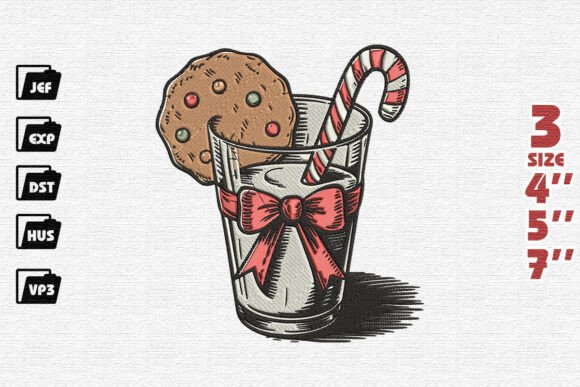
The moment I loaded the digital embroidery file, the nostalgic charm was immediate. The concept is timeless: a classic glass of milk adorned with a lovely red ribbon bow, waiting for Santa on Christmas Eve. However, in the world of custom apparel, execution is everything. This design strikes a delicate balance between playful and refined. It does not scream "cheap novelty"; instead, it whispers "cozy holiday tradition."
The layout feels intentional. The glass provides a solid structural element, while the ribbon adds a necessary pop of color and softness. For a boutique brand, this mood is invaluable. It evokes warmth and comfort, which are the primary emotions customers seek when buying seasonal loungewear. The stitching personality appears clean and deliberate, avoiding the messy look that often plagues overly complex holiday motifs. It feels decorative yet minimal enough to remain elegant on high-quality garments.
Fabric Compatibility and Visual Impact
One of the first questions I ask when reviewing a new embroidery file is: "Where does this live?" For this project, I tested the design on several fabric types to gauge its versatility. On neutral sweatshirts, such as oatmeal, heather gray, or cream, the design shines. The contrast of the red ribbon against these muted tones creates a sophisticated, rustic aesthetic that appeals to adult buyers looking for subtle holiday spirit.
When placed on dark fabrics like navy or charcoal, the design requires careful attention to thread colors. The white milk and cookie elements must be bright and dense to prevent them from getting lost in the background. I found that using a high-sheen polyester thread for the milk glass added a nice reflective quality, mimicking the look of real glass. On pastel colors, the design takes on a softer, more feminine vibe, perfect for younger demographics or those preferring a gentle holiday palette.
For oversized hoodies, the scale of the design is crucial. If the motif is too small, it looks lost on the expansive chest area. If it is too large, it becomes stiff and uncomfortable. This particular design seems to offer a balanced scale that works well for a left-chest placement or a slightly larger center-chest position on standard fits. It also translates beautifully to sleeve accents, where a smaller version can serve as a subtle branding element or a cute detail that encourages social media sharing.
Technical Considerations for Production
From a technical standpoint, producing this design for commercial embroidery requires attention to detail. The stitch density is a primary concern, especially when working with the varying thickness of sweatshirt fleece. If the density is too high, the fabric may pucker, creating an uneven surface around the glass. If it is too low, the underlying fabric might show through, ruining the crispness of the milk and cookie details.
Stabilizer choice is non-negotiable here. Given the weight of typical sweatshirt material, a medium-weight cut-away stabilizer is essential to support the stitches and maintain the shape of the design after repeated washes. I also recommend paying close attention to the hoop placement. Ensuring the design is centered and straight is vital for maintaining a premium look. Any slight tilt in the glass or ribbon can make the finished product look amateurish.
Another practical concern is small-size readability. If you plan to offer this design on smaller items like children’s apparel or accessories, you must verify that the fine details of the ribbon bow and the texture of the cookies do not merge into a blob of thread. Always run a test stitch-out on your specific fabric before committing to a full production run. Check the specific hoop size requirements provided with the file to ensure it fits your machine’s capabilities.
Elevating Brand Identity and Product Value
For an Etsy seller or small shop owner, the right design can significantly impact product value. The Retro Christmas Milk and Cookies Embroidery Design is not just a graphic; it is a storytelling element. It invites the customer to imagine a quiet Christmas Eve, enhancing the emotional connection to the garment. This emotional resonance allows for higher price points because the item is perceived as a keepsake rather than just clothing.
Visual recognition is key in a saturated market. This design’s unique combination of retro styling and clean embroidery helps a brand stand out. When used in lifestyle product photography, the texture of the stitches adds depth and tactile appeal that printed designs simply cannot match. A high-quality printable mockup can help visualize this, but nothing beats photos of the actual handmade product on a model wearing the sweatshirt.
Furthermore, consistent use of high-quality design assets like this builds buyer trust. Customers associate precise, durable embroidery with professional craftsmanship. When they see clean edges, proper tension, and vibrant thread colors, they are more likely to leave positive reviews and return for future purchases. This design supports that narrative of quality and care.
Final Verdict for Creative Entrepreneurs
In conclusion, the Retro Christmas Milk and Cookies Embroidery Design is a strong contender for any holiday collection. It offers the flexibility needed for various apparel types, from cozy hoodies to structured jackets. Its aesthetic is versatile enough to appeal to a broad audience while maintaining a distinct boutique feel. However, success lies in the execution. Pay attention to your stabilizer, test your thread colors against your specific fabric choices, and ensure your digitizing settings are optimized for the thickness of your materials.
Before starting production, always verify the technical specifications included with the download, such as the exact stitch count, available file formats, and license terms for commercial use. These details are critical for planning your workflow and ensuring compliance. By treating this design with the professional respect it deserves, you can create a small shop product that not only sells well but also enhances your brand’s reputation for quality and style. This is more than just a festive motif; it is a tool for building a memorable holiday collection.