Review: Halloween Skeleton Runner Embroidery Design
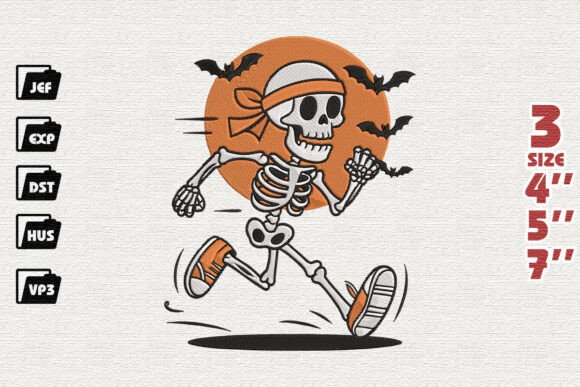
As a designer who spends more time staring at stitch simulations than actual fabric, I have learned to be skeptical of novelty holiday motifs. Too often, Halloween embroidery relies on clichéd pumpkins and ghosts that lack personality or technical refinement. However, when I first loaded the Halloween Skeleton Runner Embroidery Design into my software, the energy was immediate. This is not just a static spooky figure; it is a dynamic character mid-stride, sporting a bright orange headband that adds a pop of athletic flair to the traditional skeleton aesthetic. For those of us creating custom apparel or small shop products, finding a design that balances humor with clean execution is rare. This review breaks down how this machine embroidery design performs in real-world applications, from Etsy seller catalogs to personal holiday gifts.
First Impressions and Visual Personality
The immediate appeal of the Halloween Skeleton Runner Embroidery Design lies in its motion. The skeleton is not merely standing; it is running with determination. This narrative element transforms the piece from a simple seasonal decoration into a character with attitude. The inclusion of the orange headband is a smart design choice. It breaks up the monochrome nature of typical skeleton imagery and provides a natural anchor for thread colors that might otherwise feel flat.
From a layout perspective, the design feels balanced. The limbs are extended in a way that suggests speed without creating excessive jump stitches or overly complex underlay structures. For a craft business owner, this means the design is likely to stitch out cleanly without excessive thread breaks, provided your machine is well-maintained. The cartoon style ensures that minor imperfections in tension are less noticeable than they would be in a photorealistic embroidery file. This forgiving nature makes it an excellent candidate for both beginners and high-volume producers.
Real-World Application: The Custom Sweatshirt Test
To truly evaluate a design, you must imagine it on a finished product. I visualized this skeleton on a heather grey crewneck sweatshirt, a staple for any personalized gift lineup. The contrast between the white bones and the grey fabric is subtle but effective, while the orange headband pops vividly. This combination creates a look that is sporty yet festive, perfect for the "spooky season" runners or gym enthusiasts in your customer base.
Beyond sweatshirts, this design shines as a tote bag design. Canvas bags provide a stable, tight weave that supports the stitch density of the skeleton’s ribs and limbs. When stitched on a tote, the design becomes a conversation starter, moving beyond generic holiday decor into functional fashion. It also works exceptionally well as an embroidered patch. By adding a satin stitch border, you can create a durable badge that customers can iron onto jackets or backpacks, extending the lifecycle of your design assets beyond a single garment.
Considerations for Fabric and Hoop Size
While the design is versatile, it is not universal. The extended limbs of the runner require a sufficiently large hoop size. If you are working with a standard 4x4 inch hoop, you may need to check if the design fits without resizing, which could compromise the clarity of the smaller details like the facial expression or the headband knot. Always verify the dimensions in your software before purchasing or stitching.
Fabric texture plays a crucial role here. On textured fabrics like terry cloth towels or fluffy fleece, the finer running stitch details might get lost. In these cases, increasing the stitch density slightly or using a heavier weight thread can help maintain visibility. Conversely, on thin or stretchy fabrics, proper stabilization is non-negotiable. A cut-away stabilizer is recommended for garments that will be washed frequently, ensuring the skeleton does not warp or pucker over time. For caps, the curved surface requires careful hooping, but the central placement of the skeleton’s torso makes it a viable, albeit challenging, option for experienced embroiderers.
Commercial Viability for Etsy Sellers and Makers
For the Etsy seller or boutique owner, the commercial potential of the Halloween Skeleton Runner Embroidery Design is strong. It taps into two massive markets: fitness and Halloween. This crossover appeal allows for broader marketing angles. You are not just selling a Halloween item; you are selling a fun, active lifestyle accessory. This distinction can help your printable mockup images stand out in a saturated market.
When creating digital embroidery file listings, transparency is key. Since I do not have the exact stitch count or file format list for this specific product, I advise you to check these details carefully before listing. Customers want to know if the file is compatible with their specific machine brand. Additionally, clarify the licensing terms. Can buyers use this commercial embroidery design for physical products? Can they resell the digital file? Clear communication builds trust and reduces customer service headaches.
The design’s simplicity also aids in production speed. Faster stitch times mean lower production costs, allowing for better profit margins on items like baby embroidery onesies or kitchen towels. However, avoid placing it on items where the skeleton’s legs might hang off the edge or get caught in seams, such as tightly fitted caps or small coin purses. Always test on scrap fabric first to ensure the satin stitch elements, like the headband, lay flat and do not bunch.
Technical Notes for Best Results
To get the most out of this embroidery project, consider these practical steps:
- Check Thread Contrast: Use a high-contrast thread for the bones against dark fabrics. White or light grey is standard, but neon green or electric blue could offer a modern, edgy twist for a younger demographic.
- Stabilizer Selection: Match your stabilizer to your fabric. Use tear-away for stable woven cottons and cut-away for knits and stretchy materials to prevent distortion.
- Test Stitching: Always run a test on similar fabric to check for registration issues. Ensure the orange headband aligns perfectly with the skull.
- Mockup Verification: Create mockups on both light and dark backgrounds to show versatility in your shop listings. This helps customers visualize the finished product on their own items.
- Licensing Check: Confirm whether the design allows for commercial use of finished goods. This is critical for maintaining a legitimate craft business.
In conclusion, the Halloween Skeleton Runner Embroidery Design is a robust, energetic addition to any autumn catalog. It moves beyond the static tropes of holiday embroidery, offering a playful, active character that resonates with modern consumers. Whether you are stitching a personalized gift for a running friend or stocking your online store with unique holiday embroidery items, this design offers the right blend of charm and technical reliability. Just remember to respect the technical constraints of your hoop size and fabric choice, and you will produce a high-quality item that stands out in the crowded Halloween market.