Review: Quirky Rooster Head Embroidery Design
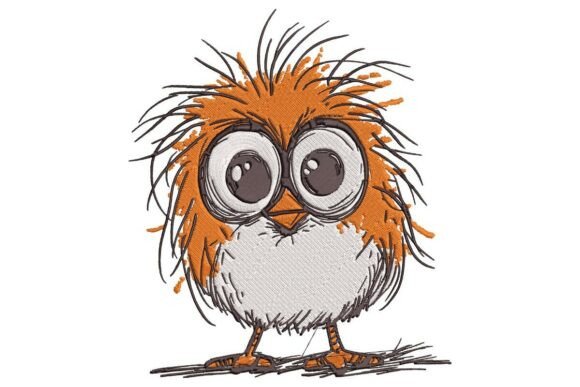
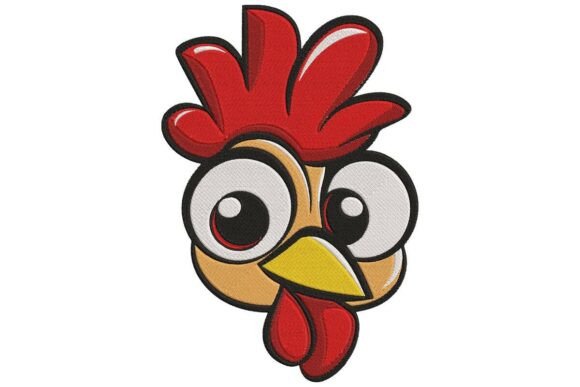
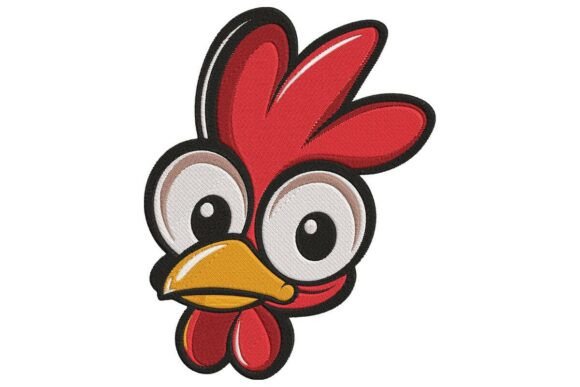
As an embroidery designer who has spent countless weekends behind a craft fair table, I have learned that the difference between a design that sits idle and one that sells out by noon often comes down to personality. When I first loaded the Quirky Rooster Head Embroidery Design into my software, I was looking for more than just clean stitches; I was looking for a reaction. This digital embroidery file delivers exactly that kind of immediate visual impact. It is not trying to be elegant or minimal. Instead, it leans heavily into the funny, zany side of Birds-themed Embroidery, offering a cartoon rooster head with large, expressive eyes that look upward and to the side.
For handmade shop owners and Etsy sellers, this specific character trait is gold. In a sea of generic farmhouse decor, a product that makes a customer chuckle creates an emotional connection. That curiosity in the rooster’s gaze invites the buyer to stop, look closer, and imagine the item in their own home. From a production standpoint, reviewing this design requires balancing its whimsical nature with the practical realities of machine embroidery. Here is my professional assessment of how this design performs as a craft fair product and what you need to know before turning it into a finished product.
First Impressions and Visual Appeal
The immediate vibe of the Quirky Rooster Head Embroidery Design is playful and bold. It does not whisper; it shouts fun. The exaggerated features, particularly the eyes, give it a unique personality that stands out on a crowded display table. For boutique makers, this means the design works best when used as a focal point rather than a subtle accent. It captures attention from a distance, which is crucial for booth display strength. When I visualize this on a neutral tote bag or a bright apron, the contrast between the quirky illustration and the fabric texture creates a high-value aesthetic. It feels modern yet rustic enough to fit into the current trend of humorous home goods.
However, visual appeal is only half the battle. You must consider how the thread colors interact with your chosen fabrics. Because the design relies on expression, ensuring high contrast between the eye details and the face is essential. If you are using dark fabric, you may need to adjust the underlay or use a lighter backing to ensure the zany character remains visible and does not get lost in the shadows.
Best Products for Maximum Sales
Not every item in your inventory is suitable for every design. Based on the size and complexity of this rooster, here is where I believe it will perform best as a small shop product:
- Tote Bag Design: A canvas tote is perhaps the ideal vessel for this artwork. The flat surface allows the full width of the rooster’s head to shine without distortion. It becomes a statement piece for grocery runs or library visits.
- Apron Embroidery: Kitchen accessories are huge sellers at craft fairs. Placing this funny bird on the bib of an apron adds character to cooking chores. It appeals to buyers looking for giftable handmade items for friends who love to cook.
- Tea Towel Embroidery: While popular, towels require caution. The fabric texture of waffle weave or terry cloth can distort fine details. Ensure the stitch density is appropriate so the design does not pucker the thin fabric.
- Embroidered Patch: If the design scales down well, turning it into an iron-on or sew-on patch opens up a new revenue stream. Patches are low-cost, high-margin items that appeal to younger demographics.
- Caps and Hats: Curved cap surfaces are tricky. The wide eyes of the rooster might distort if the hoop size is too small or the curvature is too steep. Test extensively before committing to batch production.
Production Practicalities and Technical Notes
Before you list this as a commercial embroidery product, you must treat the digital embroidery file with a critical eye. As a designer, I always advise running a test stitch-out on scrap fabric that matches your final product material. This is non-negotiable. You need to check the stitch density to ensure it is not too heavy for lightweight fabrics like tea towels, which could cause tearing or excessive puckering.
Pay close attention to the small details. The description mentions expressive eyes, which likely involve satin stitches or fine fill stitches. If these areas are too dense, they may create a stiff patch on soft fabric. Conversely, if they are too sparse, the backing might show through. Use the right stabilizer for your fabric type; a cut-away stabilizer is often safer for garments that will be washed frequently, while tear-away might suffice for sturdy tote bags.
Another critical factor is the hoop size. Since the exact dimensions are not provided in the brief, you must check the file specifications before purchase or production. If the design is large, it may require a 5x7 or 6x10 hoop, limiting its use on smaller items like pouches. If it is designed for a 4x4 hoop, it might lose some of its quirky charm if scaled up too much, potentially becoming pixelated or jagged.
Marketing and Online Presence
For Etsy sellers and digital sellers, the way you present this design matters as much as the stitching itself. The quirky nature of the rooster makes it highly photogenic. Create a printable mockup that shows the design in a lifestyle setting—perhaps on an apron in a sunny kitchen or a tote bag at a farmer's market. These design assets help customers visualize the scale and utility of the finished product.
When writing your product descriptions, emphasize the humor and uniqueness. Use keywords like "funny bird embroidery," "quirky farm decor," and "handmade gift for chicken lovers." Explain that this is a machine embroidery design intended for personal or commercial use, but always confirm commercial licensing terms before selling finished products. Clear communication about license terms builds trust with your buyers and protects your business.
Final Verdict for Craft Fair Sellers
The Quirky Rooster Head Embroidery Design is a strong contender for your next craft fair lineup. It breaks the mold of traditional, serious embroidery with its amusing and curious expression. It is best suited for medium-to-large flat surfaces like tote bags and aprons where the details can be fully appreciated. While it requires careful attention to stabilizer choice and fabric texture, the payoff is a high-engagement product that draws people to your booth.
Remember to test thoroughly, check your hoop size compatibility, and ensure your thread colors pop against your fabric choices. If you can master the technical execution, this design has the potential to become a signature item in your handmade product collection, driving both impulse buys at fairs and consistent sales online.