Review: Shy Christmas Duckling Embroidery Design
As an embroidery designer who has spent years digitizing files for small businesses and boutique brands, I approach every new machine embroidery design with a critical eye. It is not enough for a motif to be cute; it must be functional, scalable, and capable of holding up under the rigors of commercial production. Recently, I reviewed the Shy Christmas Duckling with Big Eyes Embroidery Design, and I want to share my professional assessment of how this asset performs in real-world business applications.
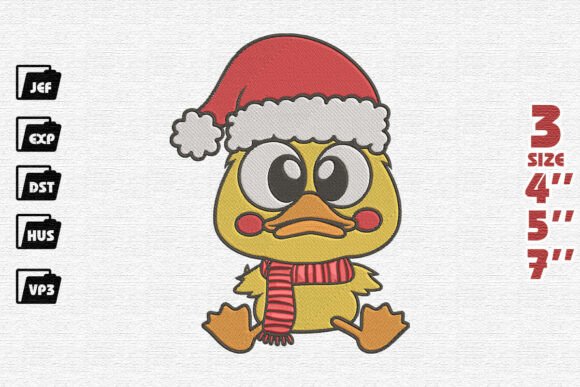
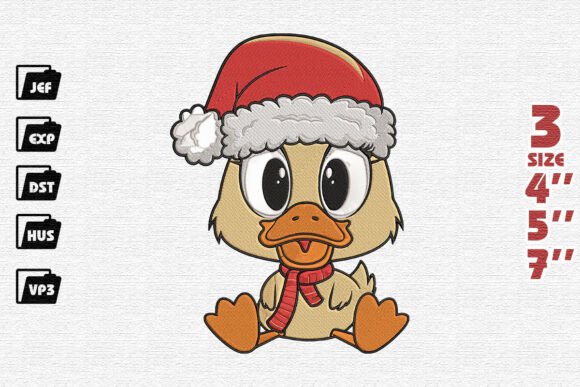
The first impression of this design is overwhelmingly warm and approachable. The description promises an "adorable little duckling with enormous, soulful eyes," and visually, it delivers on that promise. For brands operating in the lifestyle, bakery, pet care, or handmade gift sectors, this aesthetic is gold. It feels playful yet polished, striking a balance between whimsical charm and professional presentation. However, the true test lies in how these visual elements translate into thread on fabric.
Visual Personality and Brand Alignment
In the world of brand identity, consistency is key. This design leans heavily into a soft, endearing vibe. If your business model relies on creating emotional connections with customers—such as a local café selling holiday merchandise or an Etsy shop specializing in baby goods—this design fits seamlessly. The "shy" expression and large eyes create an immediate sense of trust and friendliness. It is not aggressive or overly complex, which makes it versatile for various small business merch lines.
When evaluating the thread colors implied by the design, one must consider contrast. A duckling typically involves yellows, oranges, and whites. On dark fabrics, such as navy staff uniforms or black tote bags, you will need to ensure the digitizer has included proper underlay and satin borders to make the design pop. Without sufficient contrast, the subtle details of the "pleading and endearing expression" might get lost. I recommend requesting a color chart or running a test stitch-out on your specific fabric stock before committing to a large run.
Performance in Commercial Applications
Let us discuss where this digital embroidery file truly shines. I see immense potential for this design in the realm of embroidered patches. Patches are a trending item for holiday markets, and a shy duckling serves as an excellent standalone graphic. Because the design focuses on the face and eyes, it can be scaled down effectively for a chest patch without losing its character. This makes it ideal for adding to denim jackets, canvas bags, or even as a limited-edition add-on for customer orders.
For custom apparel, consider using this as a left-chest accent on aprons or work shirts. In a bakery or florist setting, staff wearing aprons with this subtle holiday motif can enhance the customer experience without looking like a uniform advertisement. It feels personal and handmade. Similarly, for cap embroidery, the design works well if the digitization accounts for the curved surface. Caps require careful handling of stitch direction to prevent puckering, so ensure the file is optimized for structured or unstructured caps depending on your inventory.
Tote bag design is another strong candidate. Canvas totes are durable and provide a flat, stable surface for embroidery. The duckling can serve as a central focal point or be paired with minimal text for a clean, modern look. This versatility allows you to create a cohesive holiday collection across multiple product types, increasing the perceived value of your brand.
Technical Considerations and Limitations
While the design is charming, there are technical constraints to address. The emphasis on "enormous, soulful eyes" suggests detailed satin stitching or fine fill areas. When working with stitch density, high detail can sometimes lead to bulkiness if not properly managed. If you plan to embroider this on lightweight fabrics, such as silk blends or thin cotton tees, you must use the correct stabilizer. A cut-away stabilizer is often safer for garments that will undergo frequent washing, ensuring the design remains intact and does not distort over time.
Be cautious with very small sizes. If you attempt to shrink this design for a tiny label or a narrow cuff, the intricate details of the eyes and beak may merge. Always check the minimum recommended size provided with the embroidery file. If this information is not explicitly stated in the product description, reach out to the seller or run a series of test stitches at decreasing sizes to find the breaking point where clarity is lost.
Additionally, consider the fabric texture. Textured materials like terry cloth or heavy wool can obscure fine lines. For these materials, you might need to simplify the design or increase the stitch width slightly to maintain visibility. Dark uniforms present another challenge; ensure that the white or light-colored threads used for the eyes have high tensile strength and sheen to stand out against the background.
Enhancing Customer Trust and Engagement
Using high-quality, well-digitized designs like the Shy Christmas Duckling with Big Eyes Embroidery Design directly impacts customer perception. A sloppy embroidery job with loose threads or poor registration signals low quality. Conversely, a crisp, clean execution signals professionalism. When customers receive a handmade product with precise embroidery, their trust in your brand increases. This design, with its emotive appeal, encourages social sharing. Customers are more likely to post photos of cute, well-executed merchandise on social media, providing organic marketing for your business.
To maximize this effect, create a printable mockup showing the design on various items. Visualizing the duckling on an apron, a cap, or a patch helps clients understand the value proposition. It also aids in internal decision-making regarding which products to prioritize for your holiday launch.
Practical Designer Notes for Production
Before you integrate this design into your commercial embroidery workflow, follow these practical steps:
- Test in Monochrome: Stitch the design out in black thread on white fabric first. This reveals the structural integrity of the digitizing without the distraction of color. If it looks good in black and white, it will look great in color.
- Verify Hoop Size: Confirm the required hoop size matches your machine capabilities. While the description does not specify exact dimensions, most chest logos fit within a 4x4 or 5x7 hoop. Ensure you have the appropriate hoops available.
- Check Licensing: Always confirm the commercial license terms. Ensure you are permitted to use the design assets for physical goods intended for sale. Most reputable sellers allow this, but it is crucial to verify to avoid legal issues.
- Fabric Testing: Run tests on the actual fabrics you intend to use. A design that looks perfect on cotton twill might pucker on jersey knit. Adjust your stabilizer and tension settings accordingly.
- Client Approval: If you are creating custom items for clients, show them a digital mockup and a physical sample if possible. This manages expectations and reduces the risk of returns.
In conclusion, the Shy Christmas Duckling with Big Eyes Embroidery Design is a strong contender for holiday merchandise. Its emotional appeal, combined with versatile application possibilities, makes it a valuable addition to your library. By paying attention to technical details like stitch density, stabilizer choice, and fabric compatibility, you can transform this digital file into a high-profit finished product that delights customers and strengthens your brand identity.