Review: Whimsical Merry Christmas Ornament Design
As an embroidery designer who has spent years digitizing and testing files for commercial use, I approach every new machine embroidery design with a critical eye. It is not just about whether the image looks pretty on a screen; it is about how that design translates to fabric, how it holds up in a wash cycle, and most importantly, how it serves the brand identity of the small business owner purchasing it. Recently, I took a close look at the Whimsical Merry Christmas Typography Ornament Embroidery Design, and I want to share my professional assessment of its potential for branded merchandise and holiday product lines.
First Impressions: Visual Personality and Brand Fit
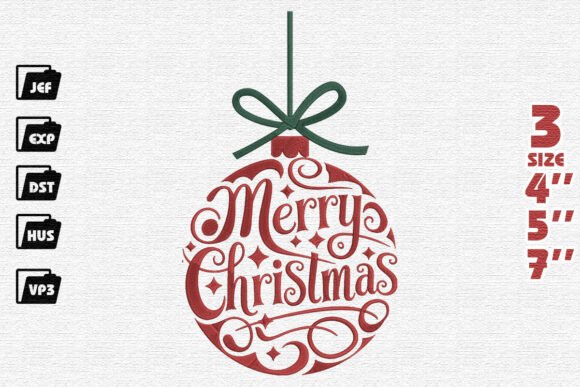
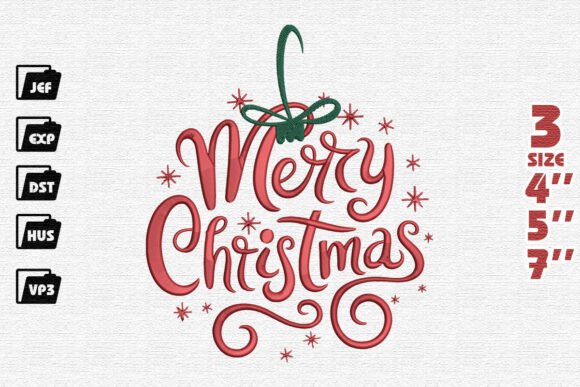
The first thing that strikes you about this piece is its clever integration of typography and shape. By forming a Christmas ornament out of the holiday greeting itself, the design achieves a level of wit that is often missing in standard seasonal motifs. For a small business, this distinction matters. The aesthetic leans heavily into the whimsical and friendly side of the spectrum, making it an excellent choice for brands that want to appear approachable, creative, and warm.
This is not a stiff, corporate logo. It feels handmade and decorative, which aligns perfectly with the current consumer demand for authentic, artisanal goods. If you run a boutique bakery, a local florist, or an Etsy shop selling handmade gifts, this design communicates a sense of care and festivity without being overly formal. However, for high-end luxury brands seeking minimalism, the playful nature of the typography might feel too casual. Understanding where your brand sits on the spectrum from playful to premium is crucial before adding this to your design assets.
Real-World Applications for Small Business Merch
The true test of any digital embroidery file is its versatility across different products. I evaluated how this specific ornament typography would perform on various common items used in small business merch strategies.
- Embroidered Patches: This is arguably the strongest application. The self-contained shape of the ornament makes it ideal for a patch. You can iron or sew these onto denim jackets, tote bags, or even packaging envelopes as a premium seal. The enclosed nature of the ornament shape helps maintain structural integrity.
- Apron Embroidery: For cafes and bakeries, staff uniforms are walking billboards. Placing this design on the chest pocket area of an apron adds a festive touch that customers notice. It softens the professional look of a uniform, making staff appear more welcoming during the holiday rush.
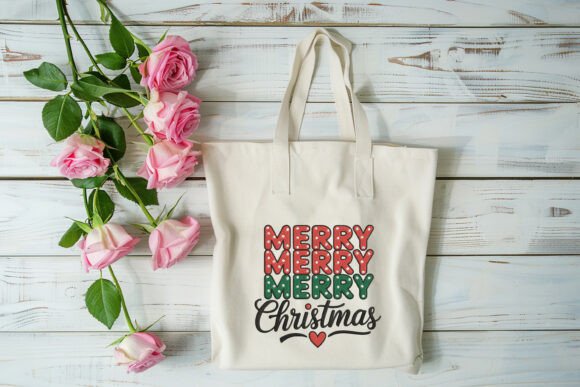
- Tote Bag Design: Canvas totes are staples for retail shops. The whimsical typography works well here, provided the bag material is stable. It transforms a simple utility item into a keepsake that customers will reuse, extending your brand visibility beyond the store.
- Cap Embroidery: Using this on headwear requires caution. While it can work on the side panel or back of a cap, the curved surface of the front panel might distort the lettering if the hoop size is not managed correctly. It is better suited for flat surfaces or larger curved areas where the text remains legible.
Technical Considerations and Stitch Density
From a technical standpoint, typography-based designs present unique challenges. The legibility of the words "Merry Christmas" is paramount. When reviewing the stitch density of such a design, one must consider the scale. If you attempt to shrink this design too much for a tiny label or a small pocket logo, the letters may merge, turning beautiful script into an unreadable blob of thread.
I strongly advise checking the recommended minimum dimensions provided with the embroidery file. If those details are not explicitly stated in the product description, you must create a test stitch-out. Start by printing a printable mockup at 100% scale and measuring the smallest letters. If they are under 4mm in height, you risk poor definition on textured fabrics.
Furthermore, the interaction between thread colors and fabric texture cannot be overstated. This design likely relies on contrast to define the ornament shape against the background. On dark uniforms or heavy canvas, you will need high-contrast thread choices. On lighter, smoother fabrics, you have more flexibility. Always consider using a cutaway stabilizer for garments that will undergo frequent washing, as the weight of the text-based ornament could cause puckering if the fabric is not properly supported.
Enhancing Brand Identity and Customer Trust
Why invest in a specialized design like this instead of using a generic clipart? The answer lies in perceived value. A custom-looking, well-digitized embroidery signals quality. When a customer receives a finished product with crisp, clean stitching, it builds trust in your brand. It suggests that you pay attention to details, which translates to confidence in your core products, whether you sell coffee, clothing, or crafts.
Consistency is key. If you use this design on your holiday packaging, ensure it complements your existing logo and color palette. It should feel like a natural extension of your brand identity, not an afterthought. For Etsy sellers and crafters, offering items with this exclusive design can differentiate your shop from competitors using mass-produced prints. It adds a layer of exclusivity and handmade charm that digital prints simply cannot replicate.
Practical Designer Notes for Production
Before you commit to a large production run of custom apparel or patches, follow these practical steps to ensure success:
- Test in Monochrome: Before selecting your final thread palette, stitch the design out in black and white. This helps you identify any issues with spacing or density that color might otherwise hide.
- Verify Hoop Size: Confirm that the design fits comfortably within your machine’s hoop without requiring excessive re-hooping, which can lead to misalignment. Check the specific dimensions in the file documentation.
- Fabric Testing: Always test on the actual fabric you intend to use. A design that looks perfect on cotton twill might pucker on a lightweight polyester blend. Adjust your stabilizer accordingly.
- Commercial Licensing: Ensure you understand the license terms. Most designers allow commercial use for physical products but restrict the resale of the digital file itself. Confirm this before using it for client work or mass merchandise.
- Client Approval Mockups: If you are creating these for a client, provide a realistic digital mockup first. Show them how the ornament typography sits on the garment to manage expectations regarding size and placement.
In conclusion, the Whimsical Merry Christmas Typography Ornament Embroidery Design is a strong contender for businesses looking to add a festive, personal touch to their holiday offerings. It balances creativity with commercial viability, provided you respect the technical limitations of typography in embroidery. By carefully selecting your applications, managing your stitch density, and maintaining high production standards, this design can become a valuable asset in your seasonal marketing toolkit.