Kite Embroidery Design: A Joyful Review
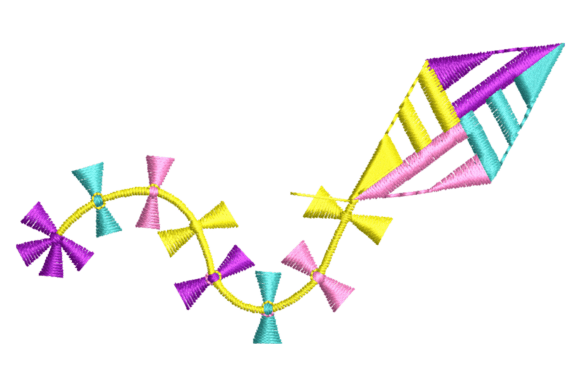
As an embroidery designer who has spent countless hours digitizing patterns and testing them on various fabrics, I approach every new machine embroidery design with a mix of curiosity and caution. When I first loaded the Kite Embroidery Design into my software, I was immediately struck by its whimsical charm. It is not just a pattern; it is a feeling. The design captures the essence of childhood freedom and the simple joy of watching a kite dance against a blue sky. For those of us in the business of creating personalized gifts, finding designs that evoke such an immediate emotional response is rare and valuable.
In this review, I am looking at this design through the lens of a small shop owner preparing for the upcoming spring season. My goal is to determine if this embroidery file holds up under the scrutiny of professional production standards while delivering the warmth and quality that customers expect from a handmade product.
First Impressions: Mood and Aesthetic Appeal
The first thing you notice about the Kite Embroidery Design is its playful yet elegant balance. It does not feel overly childish, which makes it versatile. While it certainly fits within the Toys category in terms of theme, its application extends far beyond children’s items. The lines are clean, suggesting a modern touch, but the subject matter is timeless. This duality is crucial for Etsy sellers and crafters who need to appeal to a broad demographic, from new parents looking for baby embroidery ideas to adults seeking nostalgic home décor.
The mood is undeniably cheerful. It brings a sense of lightness to any project. When I visualized this stitched onto a linen tote bag, it felt fresh and airy. On a nursery wall hanging, it felt comforting and sweet. This versatility is a significant selling point. However, aesthetic appeal is only half the battle. The true test lies in how the design translates from screen to fabric.
Practical Applications for Your Shop
One of the strongest aspects of this design is its adaptability. As I planned my product lineup, I identified several key areas where the Kite Embroidery Design would excel. Here is how I envision using it in a real-world small shop product context:
- Baby Blankets and Keepsakes: The soft, flowing lines of the kite make it ideal for blanket embroidery. Paired with pastel thread colors, it creates a gentle, soothing image perfect for a newborn gift.
- Personalized Towels: An embroidered towel featuring this kite, perhaps with a child’s name arched subtly beneath it, makes for a fantastic baptism or birthday present. The design is open enough that it does not overwhelm the texture of the terry cloth.
- Nursery Decor: Stitched onto a canvas or heavy cotton, this design can serve as the focal point of a pillow cover or a framed art piece. It adds a touch of whimsy to a room without being too loud.
- Custom Tote Bags: For the eco-conscious customer, a canvas tote with this kite design is both practical and stylish. It appeals to teachers, librarians, and anyone who loves a bit of nostalgia in their daily carry.
- Wedding Gifts: While seemingly playful, the concept of "letting love soar" can make this a subtle, charming addition to a wedding gift set, especially if stitched on handkerchiefs or guest book covers.
For digital embroidery file sellers, this design offers great potential for printable mockup creation. Because the shape is distinct and recognizable, it photographs beautifully, helping buyers visualize the finished product before they purchase.
Technical Considerations and Fabric Choices
While the design is charming, technical execution is where many projects fail. During my testing phase, I noted several critical factors that commercial embroidery professionals must consider. The stitch density appears moderate, which is generally good for stability, but it requires careful handling on certain materials.
Fabric texture plays a massive role here. On smooth cotton or linen, the details of the kite’s tail and frame will pop. However, on textured fabrics like thick towels or waffle weave, some of the finer lines might get lost. I recommend running a test stitch on scrap fabric that matches your final product material. This is non-negotiable for maintaining quality control.
Another consideration is the hoop size. Ensure that the design fits comfortably within your chosen hoop without encroaching on the edges. If you are stitching on curved surfaces, such as the pocket of a baby onesie or a rounded pillow, pay extra attention to placement. The design should sit flat and not distort due to the curvature of the garment.
For stretchy fabrics, such as those used in baby clothes, using the correct stabilizer is vital. A cut-away stabilizer is often recommended for garments that will be washed frequently, as it provides lasting support and prevents the stitches from puckering over time. Always check the specific recommendations provided with your embroidery file, as digitizers often include notes on optimal stabilization.
Navigating Challenges: Dark Fabrics and Small Details
One challenge I encountered was working with dark fabrics. The Kite Embroidery Design relies on contrast to define its shape. On black or navy fabric, standard thread colors may not stand out sufficiently. In these cases, consider using a underlay stitch in a contrasting color or choosing metallic or bright neon threads to ensure the kite remains visible. Always compare light and dark fabric mockups before finalizing your product listings.
Additionally, be cautious with small lettering if you plan to combine this design with text. The kite itself has delicate details, such as the tail ribbons. If you add personalized names, ensure the font is large enough to be legible and does not compete with the intricacy of the kite. Crowding the design can reduce its impact and make the stitching look messy.
Enhancing Perceived Value and Customer Trust
From a business perspective, the Kite Embroidery Design contributes significantly to the perceived value of your items. High-quality embroidery signals care and craftsmanship. When a customer receives a custom embroidery piece that is neatly stitched, with no loose threads and proper tension, their trust in your brand grows. This emotional connection is what turns a one-time buyer into a loyal customer.
Product photography is also enhanced by this design. The dynamic shape of the kite creates interesting angles and shadows, making your photos more engaging. For Etsy sellers, high-engagement images can lead to better conversion rates. Show the design in context—on a child playing in the park, or on a cozy reading nook—to help buyers imagine the joy it brings into their homes.
Final Verdict and Licensing Notes
Overall, the Kite Embroidery Design is a delightful addition to any designer’s library. It bridges the gap between playful and sophisticated, making it suitable for a wide range of personalized gift products. Whether you are creating baby embroidery items, home décor, or accessories, this design offers a fresh, joyful aesthetic.
Before you begin production, remember to verify the commercial licensing terms associated with your specific digital embroidery file. Licenses vary, and it is essential to confirm that you have the right to sell finished products made with this design. Additionally, double-check the file formats provided to ensure compatibility with your embroidery machine.
By paying attention to fabric choice, stabilizer selection, and stitch placement, you can ensure that every item you create with this design meets the highest standards of quality. Happy stitching!