Review: Patchwork Cat Embroidery Design for Real Projects
As a designer who spends more time staring at stitch previews than actual fabric, I have developed a keen eye for what works in the hoop and what looks charming on screen but disastrous in thread. When I first loaded the Patchwork Cat Embroidery Design into my software, I was looking for more than just cuteness. I needed to know if this digital asset could hold its own in a commercial setting. Could it survive the rigors of a custom apparel order? Would it appeal to the discerning eye of an Etsy buyer looking for high-quality handmade goods? After putting this design through its paces on various fabrics and hoop sizes, I am ready to share my practical insights.
First Impressions: Charm Meets Structure
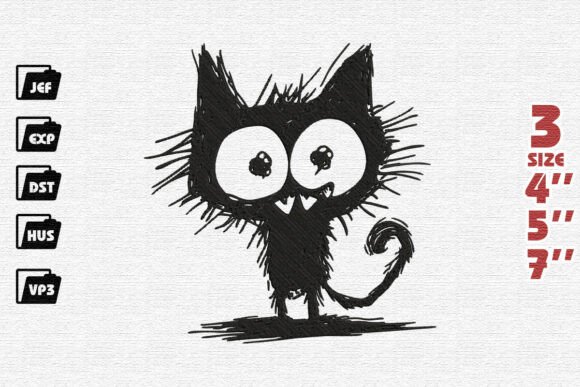
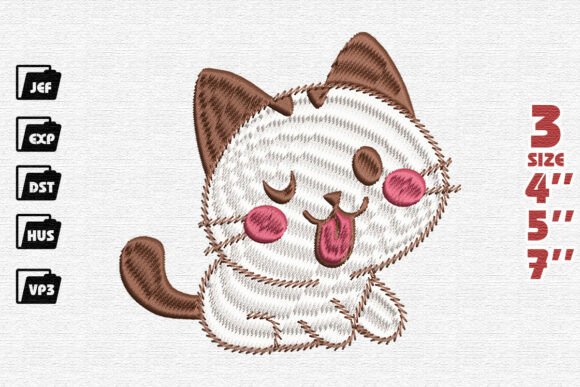
The immediate mood of this design is playful and nostalgic. The "patchwork" aesthetic suggests a handmade, quilt-like warmth that pairs beautifully with the kawaii style of the kitten. It is not just a generic cat silhouette; the silly expression and the implied texture of the patches give it personality. For embroidery designers, this is crucial. A design needs character to stand out in a saturated market of basic motifs. The layout feels balanced, with a visual weight that suggests it will sit well on both flat surfaces like tote bags and curved surfaces like caps, provided the sizing is adjusted correctly.
What strikes me most is the potential for color play. Because the design mimics patchwork, it invites creativity with thread colors. You are not locked into a single realistic palette. This flexibility is a massive advantage for small shop owners who need to offer variety without creating entirely new designs. Whether you are aiming for pastel baby tones or bold, contrasting primaries for a kids' room decor piece, the structure of the design supports it.
Real-World Application: From Tote Bags to Sweatshirts
To truly test the viability of any machine embroidery design, you must imagine it on a finished product. I visualized this cat on a canvas tote bag, a popular item for craft businesses. The distinct shapes of the "patches" would translate well to the sturdy texture of canvas, providing a nice contrast between the soft thread and the rougher fabric. For a sweatshirt embroidery project, the design’s inherent coziness aligns perfectly with the garment’s purpose. Imagine this stitched on the left chest of a heather grey hoodie; it becomes an instant bestseller for boutique branding.
I also considered its use in baby embroidery. The gentle, rounded lines and the non-threatening, silly expression make it ideal for onesies or nursery wall hangings. However, when moving to smaller items like baby clothes, scale becomes critical. The details must remain clear without becoming a dense blob of thread. In my assessment, this design maintains its clarity well, but I would recommend testing it at the smallest intended size on scrap fabric before committing to a final piece.
The Commercial Edge for Etsy Sellers
For the Etsy seller or digital product seller, visual appeal drives clicks. This design offers strong "giftability." It feels personal and thoughtful, which increases perceived value. When creating printable mockups or digital previews for your shop, the patchwork element allows for vibrant thumbnails that catch the eye. It serves as a versatile design asset that can be marketed across multiple categories: holiday embroidery for Christmas stockings, personalized gifts for cat lovers, or even as part of a larger spring collection. The versatility reduces the need to constantly buy new files, offering better ROI for creative entrepreneurs.
Technical Considerations and Stitch Performance
While the aesthetic is strong, the technical execution determines the quality of the final product. Without specific stitch count data provided in the initial description, I must advise caution. Always check the stitch density before running the file. High-density areas can cause puckering, especially on thinner fabrics. If this design relies heavily on fill stitch to create the patchwork look, ensure your stabilizer choice is robust. A cut-away stabilizer is often safer for garments that will be washed frequently, while a tear-away might suffice for decorative items like pillow covers that see less wear.
Thread color contrast is another vital factor. Since the design simulates patches, using similar shades for adjacent "patches" might cause the details to get lost. I recommend testing high-contrast combinations first to see how the boundaries define the shape. If you are using a satin stitch for outlines, ensure the width is appropriate for your needle size to prevent thread breaks. For those using this as an applique design, verify if the file includes placement stitches and tack-down runs, as this significantly changes the workflow and material requirements.
Navigating Fabric Challenges
Not every fabric is a friend to every design. Textured fabrics like terry cloth or heavy denim can obscure fine details. If you are stitching this on a kitchen towel or a thick blanket, the smaller internal details of the cat’s face might blend in. In such cases, increasing the size of the embroidery or simplifying the thread palette can help maintain visibility. Conversely, on stretchy fabrics like jersey knit for t-shirts, proper hooping and stabilization are non-negotiable. The design’s integrity depends on the fabric remaining stable during the stitching process.
Dark fabrics present their own challenge. If the design uses light threads for the patches, ensure there is no underlying show-through from the fabric. Using a topping or choosing a heavier weight thread can mitigate this. For caps and hats, the curved surface requires careful centering. The symmetrical nature of the cat’s face helps here, but always run a test stitch on a similar curved scrap to check for distortion.
Designer Notes for Best Results
- Test on Scrap First: Never run a new digital embroidery file directly on your final garment. Use similar fabric scraps to check tension and density.
- Check Licensing: Before selling finished products or using this in commercial embroidery projects, confirm the license terms. Ensure you have the right to sell physical items made with this design.
- Mockup in Black and White: Convert your preview to grayscale to check for contrast issues. If the design loses definition in black and white, it may lack clarity in low-light settings or from a distance.
- Verify Hoop Size: Ensure the design fits comfortably within your available hoop size, leaving enough margin for secure clamping.
- Inspect Small Details: Zoom in on the eyes and whiskers. Are they too fine for your machine’s capability? Adjust if necessary to prevent thread bunching.
Final Verdict on Value and Usability
The Patchwork Cat Embroidery Design is a strong contender for makers looking to add whimsical, high-quality elements to their product lines. It bridges the gap between cute and sophisticated, allowing for professional presentation in handmade products. Its strength lies in its adaptability; it works as a standalone focal point on a tote bag design or as a charming accent on a child’s apron. For the experienced designer, it offers a reliable base that rewards thoughtful color selection and proper technical setup. For the hobbyist, it provides a forgiving and delightful project that results in a polished finished product. Just remember to respect the technical constraints of your machine and fabric, and this kawaii kitten will likely become a staple in your embroidery portfolio.