Reviewing the Festive Layered Merry Design
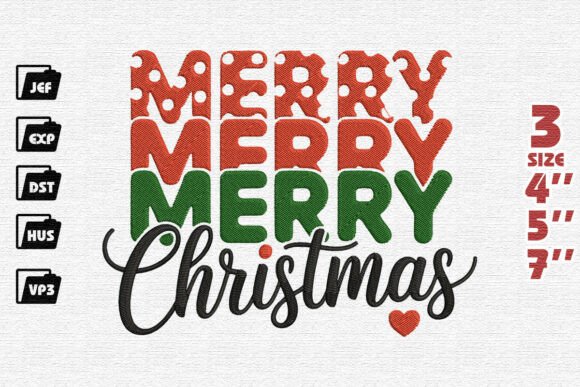
As a designer who spends more time staring at stitch simulations than actual fabric, I have developed a keen eye for what translates well from screen to needle. When I first loaded the Festive Layered Merry Merry Christmas Embroidery Design into my software, my initial reaction was one of cautious optimism. The holiday market is saturated with generic snowflakes and standard script fonts, so seeing a piece that attempts a dynamic, layered composition immediately caught my attention. This is not just another text-based digitization; it is a statement piece designed to bring enthusiastic holiday cheer to a variety of substrates.
First Impressions and Visual Personality
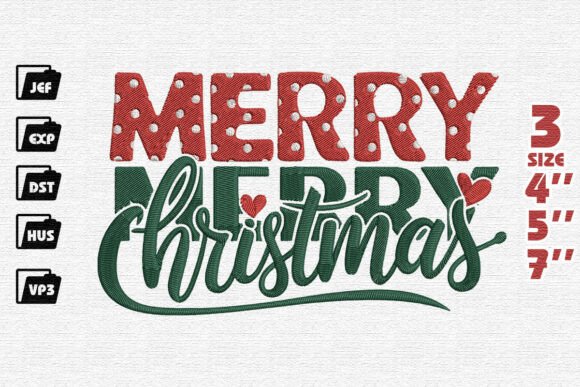
The defining characteristic of this design is its layering. In embroidery, layering can be a double-edged sword. Done poorly, it results in bulky, uneven stitches that pucker the fabric. Done well, as seen here, it creates depth and visual interest that flat designs simply cannot achieve. The top "MERRY" is stitched in a way that suggests it sits above the subsequent text, creating a pseudo-3D effect without requiring complex 3D foam techniques. This creative layout gives the design a modern, energetic feel that moves away from traditional, stiff holiday typography.
The mood is undeniably festive but approachable. It does not scream for attention with excessive ornamentation; instead, it relies on the interplay of the letters and the implied shadowing or offsetting of the layers. For a craft business owner or an Etsy seller, this visual personality is crucial. It signals quality and thoughtfulness, which are key drivers for customers looking for personalized gifts or boutique-style home decor.
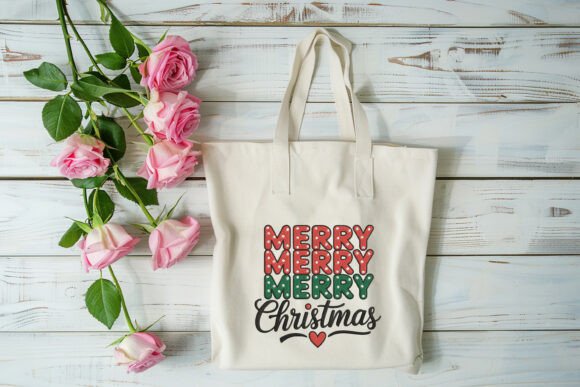
Real-World Application: The Tote Bag Test
To truly evaluate a machine embroidery design, you must imagine it on a finished product. I recently worked on a custom order for a local boutique needing holiday-themed merchandise. I considered using the Festive Layered Merry Merry Christmas Embroidery Design on a heavy-weight canvas tote bag. This is a common request during the fourth quarter, and the durability of the design is paramount.
On a tote bag, the layered effect works beautifully because the sturdy fabric can support the stitch density. The design centers well on a standard 5x7 or 6x10 hoop, making it versatile for various bag sizes. When stitched out, the contrast between the thread colors and the natural canvas created a striking look. Customers are drawn to items that look professionally finished, and the clean lines of this embroidery file helped elevate the perceived value of the handmade product. It transforms a simple utility item into a seasonal accessory that people want to display, not just use.
Apparel and Soft Goods Considerations
Moving beyond accessories, I evaluated how this design would perform on custom apparel, specifically sweatshirts and baby items. For sweatshirt embroidery, the layered composition adds a nice texture to the fleece or cotton blend. However, one must be mindful of the fabric texture. A plush fleece might swallow smaller details, so ensuring high contrast in your thread colors is essential. If you are using similar shades for the layers, the design may lose its definition.
For baby embroidery, such as on a onesie or a nursery blanket, the design’s cheerful greeting is perfect. However, comfort is key. Because this is a layered design, it likely has a higher stitch count than a simple running stitch outline. I always recommend using a soft cut-away stabilizer for garments that will be washed frequently. This ensures the design remains stable and does not irritate sensitive skin. Always test the design on scrap fabric of the same type before committing to the final garment to check for any puckering or pull.
Technical Performance and Stitch Quality
From a technical standpoint, the success of the Festive Layered Merry Merry Christmas Embroidery Design hinges on proper hooping and stabilization. The layered nature means there are likely areas where the needle penetrates the fabric multiple times in close proximity. This increases the importance of using the correct stabilizer. A tear-away might suffice for stable woven fabrics like kitchen towels or aprons, but for stretchy knits or caps, a cut-away is non-negotiable.
I also paid close attention to the corners and small details in the lettering. In digital previews, these areas can look sharp, but in reality, tight corners can bunch up if the stitch density is too high. I advise reviewing the stitch count and density settings in your embroidery software if you have the ability to edit the file. If you are using the design as-is, ensure your machine is properly threaded and tensioned. A slight adjustment in upper thread tension can make the difference between a crisp satin stitch and a loopy mess.
When working with dark fabric, the background color can show through if the fill stitch coverage is not dense enough. I recommend testing the design on both light and dark fabrics. If you notice the fabric showing through on dark materials, consider adding an underlay or choosing a thread color that closely matches the fabric for the bottom layer, though this may diminish the layered effect. Alternatively, using a white or light-colored base thread can help pop the top layers.
Commercial Viability for Small Shops
For small shop owners and digital product sellers, this design offers strong commercial potential. It fits seamlessly into holiday collections for embroidered patches, pillow covers, and tea towels. The versatility of the design allows it to be marketed across multiple categories. Whether you are creating printable mockups for your online store or stitching actual samples for craft fairs, the design holds up well in photography. The clear, legible text ensures that the message is readable even in thumbnail images, which is vital for online engagement.
However, before selling finished items or including this in a digital embroidery file bundle, you must confirm the licensing terms. Not all designs allow for commercial use, and violating these terms can harm your brand consistency and legal standing. Always check the provider’s policy regarding commercial embroidery projects. Assuming the license permits it, this design can be a valuable asset in your portfolio, helping to build customer trust through high-quality, professional-looking products.
Final Designer Notes
Before you run this design on your final project, keep these practical tips in mind:
- Test on Scrap Fabric: Always stitch a sample on the same material and weight as your final product to check for puckering or distortion.
- Check Thread Contrast: Ensure your chosen thread colors provide enough contrast to highlight the layered effect, especially on textured fabrics.
- Verify Hoop Size: Confirm that the design fits comfortably within your hoop size, leaving enough margin for stable hooping.
- Inspect Small Details: Zoom in on the digitized file to check for any potential jump stitches or overly dense areas that might need editing.
- Use Proper Stabilizer: Match your stabilizer to the fabric type—cut-away for knits and stretchy materials, tear-away for stable wovens.
- Confirm Licensing: Double-check the usage rights for commercial sales to protect your craft business and avoid legal issues.
In conclusion, the Festive Layered Merry Merry Christmas Embroidery Design is a robust choice for designers looking to add a touch of modern holiday spirit to their work. It balances aesthetic appeal with practical stitchability, making it suitable for a wide range of applications from custom apparel to home decor. With careful attention to fabric choice and stabilization, it can become a standout piece in your holiday collection.